
How To Choose Your Work Suit
What’s it for? - Decide what this suit will be for - something you wear every day to work, something you wear maybe twice a week to meet clients, something you only need for board meetings. This will decide how durable the fabric needs to be, what kind of finish it needs to have, and how versatile the colors need to be.
Where is it for? - Some are used in an air-conditioned office, some are used on a construction site, some during the winter, some during the tropical summer. A breathable fabric is more comfortable in the summer, but cannot keep you warm in a cold office. A heavyweight woolen suit works great for winters, but will look odd even in the fall.
How many do you need? - If you wear them every day, we recommend having four suits in rotation so they can recover for three days and last for a long time. If you need them only for meeting clients, a single flexible jacket might do it. If they are fashion pieces for conferences, you might not want to wear the same one for the next two or three events. If the weather you work in varies wildly, you may want a dedicated set for each season.
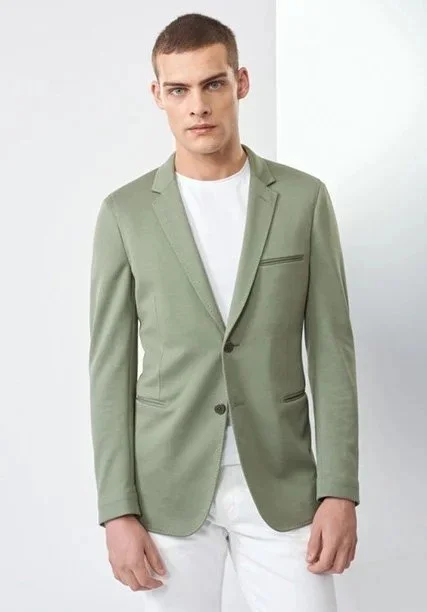
Do you have the bases covered? - You might invest in two black suit jackets and trousers, but do you have shirts to go with them? What about ties? Or if you’re looking for a pastel green jacket, do you have enough shirts that match that color and fabric?
Once you know the answers, here’s where we would start.
Business tailoring exists to make you look professional and capable — never to become the subject of conversation itself. While workplaces are moving towards business casual, some roles still require a work suit. Even when they are not required, a work suit can make you look more capable and committed, in the eyes of clients and your manager alike.
Attorneys, bankers, executives, advisors, salespeople, principals - you probably imagine them in a suit. Wearing a suit every day demands quite a bit from that garment, and durability is usually at the forefront for these people. The look takes a backseat to comfort and fit. On the other hand, you have the C-level executives, trendy consultants, estate agents, or just someone who is looking to secure their promotion during a team dinner. These people would trade a bit of durability for a fit or design that reflects their personality or gets them noticed. Here’s how to choose your work suit:
Our Recommendations
The First Suit - Navy, single-breasted, two-button, notch lapel, 11–13 oz worsted. Correct in every room in the country. Nothing else earns this slot.
The Second Suit - Charcoal, same cut. Between them these two cover every professional obligation you have.
The Third Suit - The same weight in a birdseye, nailhead, or fine sharkskin. Reads solid at three paces, rewards a closer look. Depth without risk.
The Fourth Suit - Mid-grey, or navy with a subtle chalk stripe or windowpane. Where personality is permitted, and only once the foundation is built.
Winter - Flannel in grey. Softer, deeper in colour, and the most flattering cloth in tailoring.
Summer & Travel - High-twist or fresco, 9–11 oz. Breathes, resists creasing, arrives looking like it was hung up.
Business without a suit - Navy hopsack blazer and grey flannel trousers. Flexible and business casual.
The Overcoat - The simplest way to wear the same suit through colder weather - particularly useful when you don’t need the suit outdoors. 16 oz and above, navy or camel, knee-length. One coat, worn over everything.
Shirts - Two-ply poplin and twill in white and pale blue, from Thomas Mason and Albini — cut to your neck, your sleeve, your cuff, with a collar that frames the tie and holds its shape past lunch. Most clients order in threes.
Get your work suits, shirts and overcoats made exactly to your body at Monsieur Brunold. Our experts also provide advice on choosing the best options for building a complex wardrobe.
Book a wardrobe consultation today.